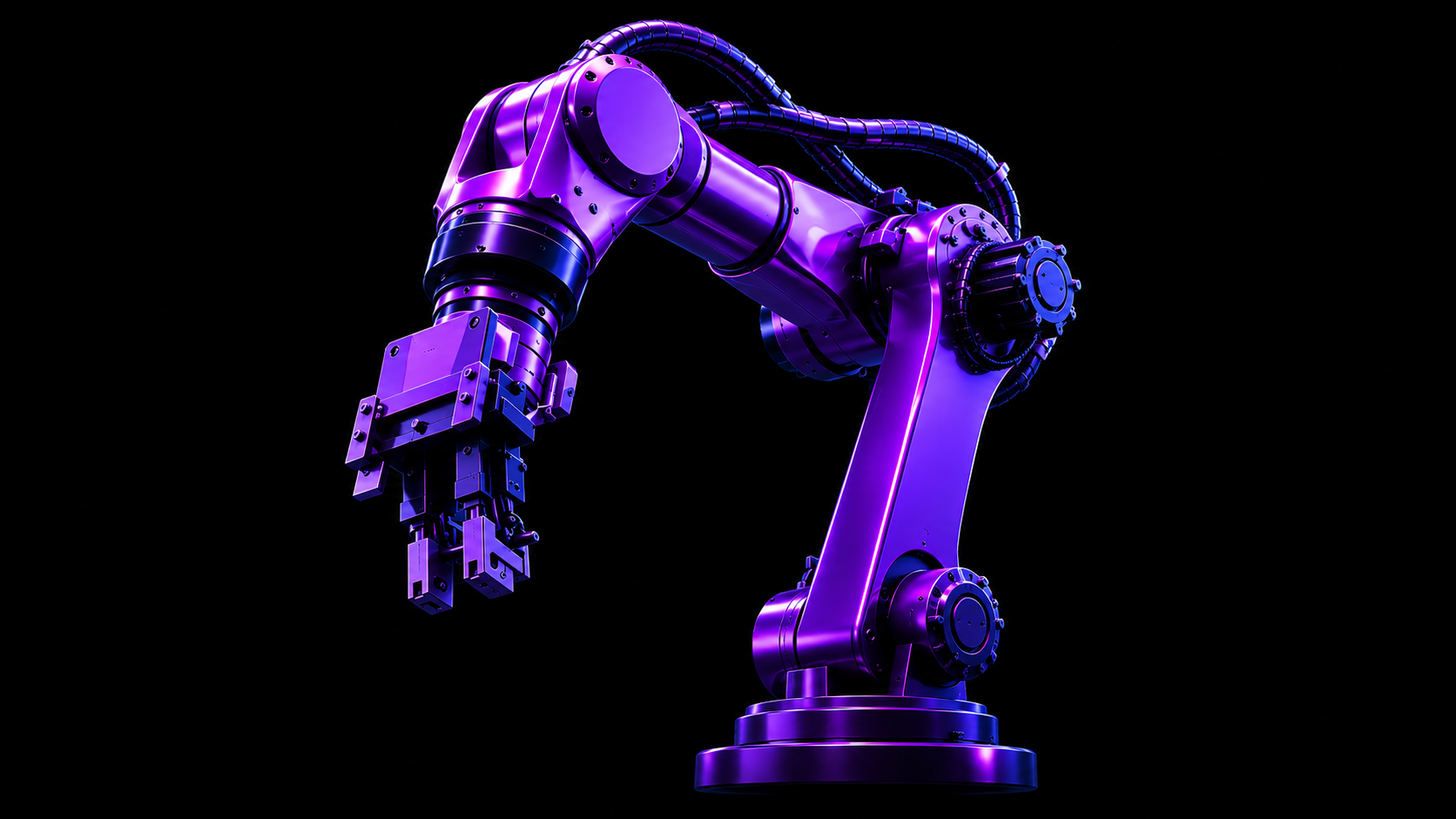
Accelerate Industrial Transformation Through Intelligent Automation and
Engineering Systems Industrial environments are rapidly evolving toward connected, autonomous, and highly efficient ecosystems. Organizations require advanced engineering systems capable of improving operational efficiency, reducing manual intervention, increasing productivity, and enabling real-time decision-making. Our Industrial Autonomy & Engineering services focus on designing, developing, integrating, and optimizing intelligent industrial systems that combine automation, control engineering, industrial connectivity, robotics, embedded systems, and operational intelligence. We build solutions that help industries move toward smart manufacturing, connected operations, autonomous workflows, and highly optimized production environments.
Business
Challenges
We Solve
Industrial Autonomy & Engineering Offerings
Develop automation frameworks for industrial operations and manufacturing environments.
- Automation architecture
- Process automation systems
- Control logic development
- Operational optimization frameworks
- Automated workflows
Design and integrate robotic systems for industrial operations.
- Robotic workflow design
- Motion system engineering
- Robotic integration
- Process automation systems
- Production robotics solutions
Develop embedded systems powering industrial equipment and connected machines.
- Embedded software development
- Hardware integration
- Firmware development
- Device communication systems
- Real-time system engineering
Enable machine connectivity and intelligent operations.
- Sensor integration
- Device communication architecture
- Connected asset frameworks
- Data acquisition systems
Develop systems for machine control and operational management.
- Control architecture
- System configuration
- Process control frameworks
- Industrial control integration
Build systems capable of operating with minimal human intervention.
- Decision logic frameworks
- Sensor fusion systems
- Autonomous operation workflows
- Operational intelligence systems
Methodology
Industrial Assessment & Requirement Analysis
- 1. Site assessments
- 2. Workflow analysis
- 3. Equipment assessment
- 4. Process mapping
- 5. Production evaluation
- 6. Stakeholder discussions
Engineering Design & Architecture
- 1. Architecture development
- 2. Workflow design
- 3. System modeling
- 4. Equipment planning
- 5. Integration mapping
- 6. System Architecture
Prototype Development
- 1. Prototype creation
- 2. Initial testing
- 3. Simulation exercises
- 4. Design refinement
- 5. Prototype Systems
- 6. Validation Reports
Engineering Development
- 1. System engineering
- 2. Hardware integration
- 3. Software development
- 4. Logic implementation
- 5. System assembly
- 6. Integrated Systems
System Integration
- 1. Equipment connectivity
- 2. Workflow integration
- 3. Data flow setup
- 4. Process synchronization
- 5. Integrated Environment
- 6. Connectivity Framework
Testing & Validation
- 1. Performance testing
- 2. Reliability testing
- 3. Stress testing
- 4. Operational testing
- 5. Safety validation
- 6. Testing Reports
Deployment & Commissioning
- 1. Production rollout
- 2. Environment setup
- 3. Operational enablement
- 4. Final verification
- 5. Operational Systems
- 6. Deployment Reports
Continuous Optimization
- 1. Performance monitoring
- 2. Operational tuning
- 3. Efficiency improvements
- 4. System updates
- 5. Optimization Reports
- 6. Updated Configurations
Industries We Serve
Autonomous Assembly Line
Manufacturing
Industry
Automotive
Industry
Warehousing
Industry
Agriculture
Industry
Energy
Industry
Logistics
Industry
Mining
Industry
Smart Infrastructure
Industry
Deployed 24 collaborative robots increasing throughput by 55% with zero safety incidents.
Support
Frequently Asked Questions
What types of autonomous systems do you deploy?
We deploy autonomous mobile robots (AMRs), collaborative robots (cobots), autonomous vehicles, drone systems, and AI-guided industrial machinery.
Is our existing factory infrastructure compatible?
We begin with a site survey and OT/IT integration assessment to identify compatibility requirements and design non-disruptive implementation plans.
How do you address worker safety with autonomous systems?
All deployments include safety risk assessments, CE/ISO 10218 compliance validation, physical safety interlocks, and operator training programs.
What is the typical ROI timeline for automation projects?
Most industrial automation projects achieve payback within 18–36 months through throughput gains, reduced rework, and lower operational costs.
Can systems be maintained and updated remotely?
Yes. We provide secure OTA update capabilities, remote diagnostics, and predictive maintenance dashboards for all deployed autonomous systems.
Do you handle regulatory approvals for autonomous systems?
We support clients through CE marking, UL certification, and sector-specific approvals, providing technical documentation and liaising with regulatory bodies.
Still have questions? Our Industrial Autonomy & Engineering specialists are ready to help.
Talk to an Expert